
How To Choose The Right IT Service Provider For Your Business?
Updated: May 19, 2026
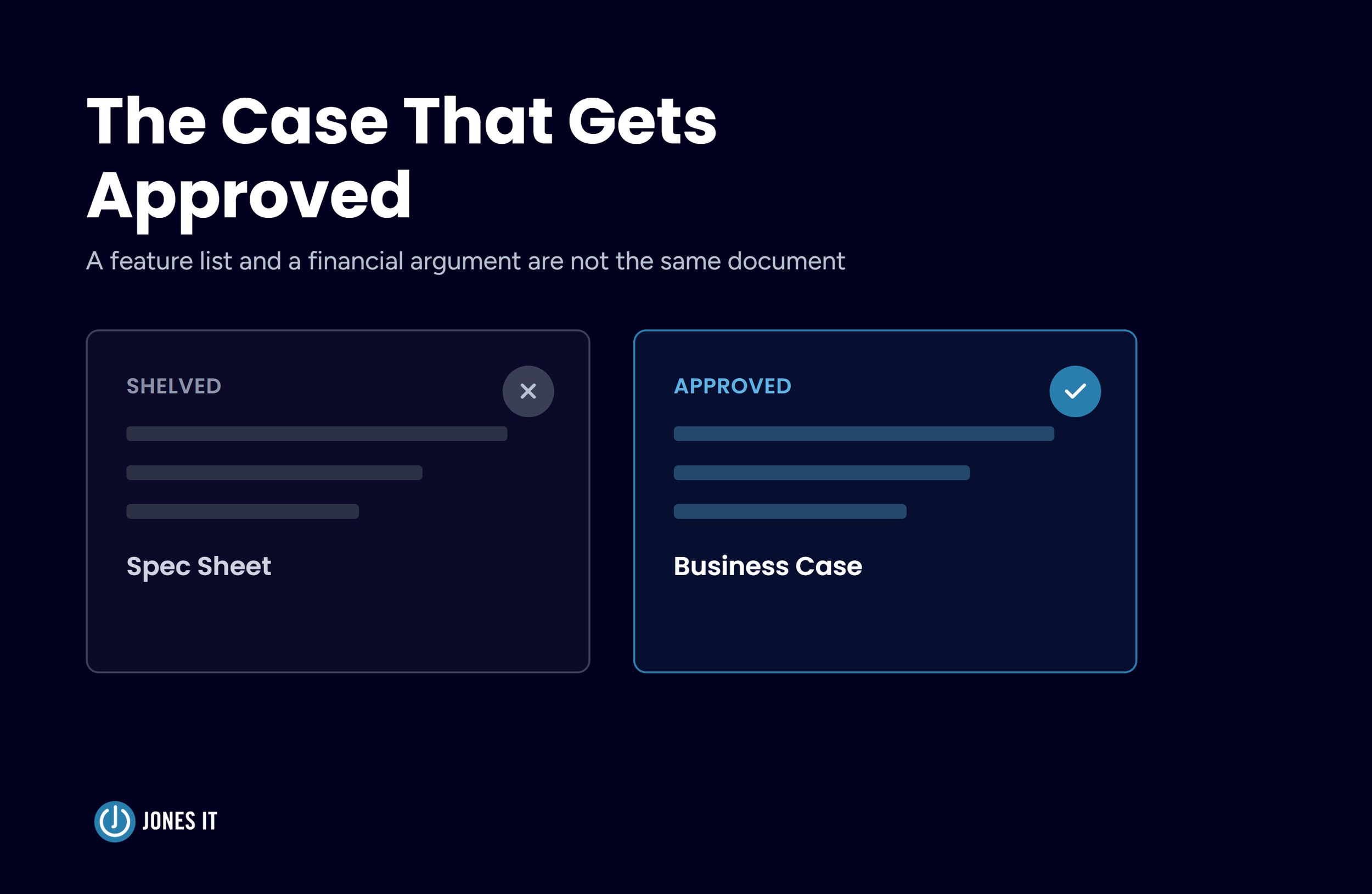
A few years back, a fintech startup in SoMa came to us in a rough spot. They had been working with an IT provider for about eight months, and on paper everything looked fine: tickets were getting closed, devices were set up, the Wi-Fi worked. But when a SOC 2 audit request came in from a prospective enterprise client, the wheels came off. Their provider had no compliance experience. There was no documentation of controls, no evidence of access reviews, no audit trail worth showing anyone. The deal stalled. The startup had to scramble to find a new provider and rebuild their compliance posture from scratch, all while trying to close a round.
The frustrating part is that none of that had to happen. The startup had asked reasonable questions when they hired their original provider. They just had not asked the right ones.
Choosing the right IT service provider means evaluating a partner who takes direct responsibility for your security, reliability, and technology growth. The right provider does far more than fix things when they break.
Choosing the right IT service provider is one of the most consequential technology decisions a growing business makes. The provider you select will have direct access to your infrastructure, your data, and your employees' devices. They will shape how quickly you can onboard new hires, how resilient you are to a cyberattack, and whether you can pass a compliance audit when the moment arrives. Getting it right matters.
This guide covers what to look for in an IT service provider, walking you through nine factors to evaluate so you can go into those conversations with the right questions and a clear picture of what a good fit actually looks like.
How To Choose An IT Service Provider
Here is what we will cover:
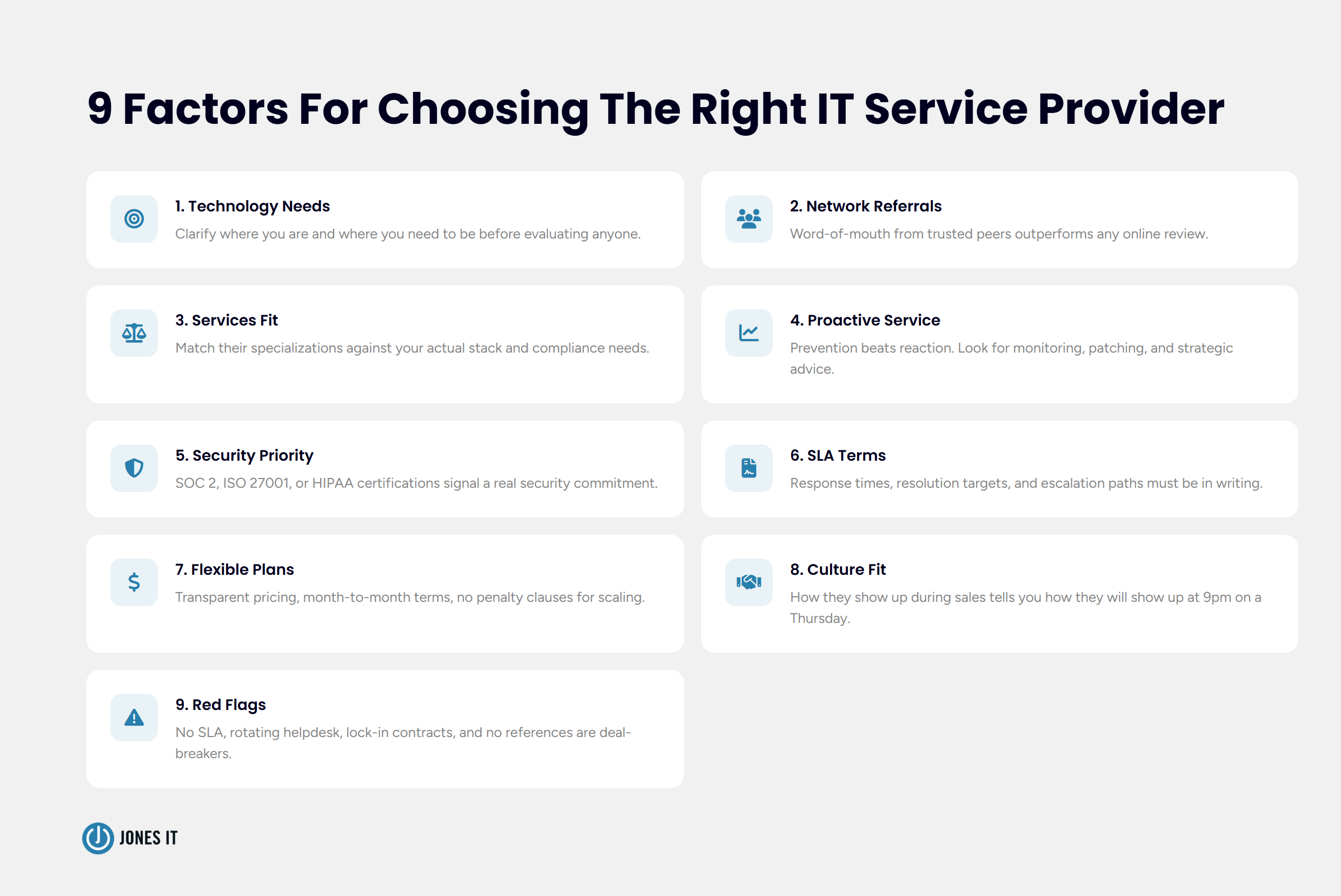
Identify Your Technology Needs
Ask Your Network For Referrals
Weigh Your Requirements Against the Services Offered
Choose Proactive Over Reactive Service
Check If Security Is Their Priority
Review Their Service Level Agreement
Look For Simple And Flexible Plans
Make Sure They Are A Culture Fit
Watch For These Red Flags
1. Identify Your Technology Needs
Before you can evaluate a single provider, you need clarity on what you actually need. This sounds obvious, but most businesses skip it, and then end up in the situation that the fintech startup from earlier found itself in: a provider who was fine for day-to-day IT but completely wrong for where the company was heading.
When planning to invest in an IT service, ask yourself these questions:
Where is our organization today with respect to IT?
Where do we want to be in the next two to three years?
What are the specific outcomes we expect from our IT provider?
How much are we planning to invest, both now and as we grow?
Do we have any compliance requirements on the horizon, such as SOC 2, HIPAA, or ISO 27001?
That last question is the one most early-stage companies underestimate. If you are in fintech, SaaS, or biotech, compliance requirements often arrive faster than expected, triggered by an enterprise sales deal, a new funding round, or a regulatory change. An IT provider who has never worked in a compliance-driven environment will not be able to grow into that role with you.
Coming to provider conversations with clear answers to these questions changes the dynamic. Instead of evaluating a sales pitch, you are evaluating fit. A good IT service provider will help you prioritize what you need right away and defer less urgent investments for later, keeping you from accumulating technical debt that becomes expensive to unwind.
2. Ask Your Network For Referrals
Once you have a clear picture of your requirements, the next step is to look for providers. You can run a search online and find plenty of IT service providers with varied specializations, service offerings, and expertise. But before you turn online, I would recommend reaching out to your network first.
As a founder, COO, or IT manager, you are likely connected to others who have outsourced their IT. Getting referrals from colleagues and peers gives you access to trusted, vetted providers and saves you a lot of research time. Word-of-mouth also tends to surface honest feedback that does not make it into polished case studies.
While third-party review sites and testimonials have their place, referrals from people you know are more reliable because you understand the context. A company that raves about its IT provider after two years of managed services is a very different signal than a five-star review from an anonymous reviewer.
3. Weigh Your Requirements Against the Services Offered
Not every IT service provider will be a good fit for your organization. Depending on your requirements and their specializations, there may be gaps, or in many cases a complete mismatch. This is why identifying your technology needs first matters so much. When choosing an MSP, knowing your own requirements in advance is what separates a productive evaluation from a sales conversation.
Many IT service providers specialize in a particular environment, such as Mac or PC, Google Workspace or Microsoft 365, networking, or cybersecurity. Knowing exactly what your business needs lets you narrow the field quickly.
One evaluation criterion that is easy to overlook is centralization. Look for a provider who can handle all of your IT requirements under one roof. Even if they do not have every capability in-house, they should have established vendor relationships that allow them to fulfill your needs. Your IT operations run far more smoothly when you are not coordinating between multiple vendors on a single issue.
Also consider location-agnostic support. The workforce is distributed now, and your IT provider needs to support employees whether they are in the office, working from home, or based in another city. Ask specifically how they handle remote device management, onboarding, and offboarding for employees who are never on-site.
4. Choose Proactive Over Reactive Service
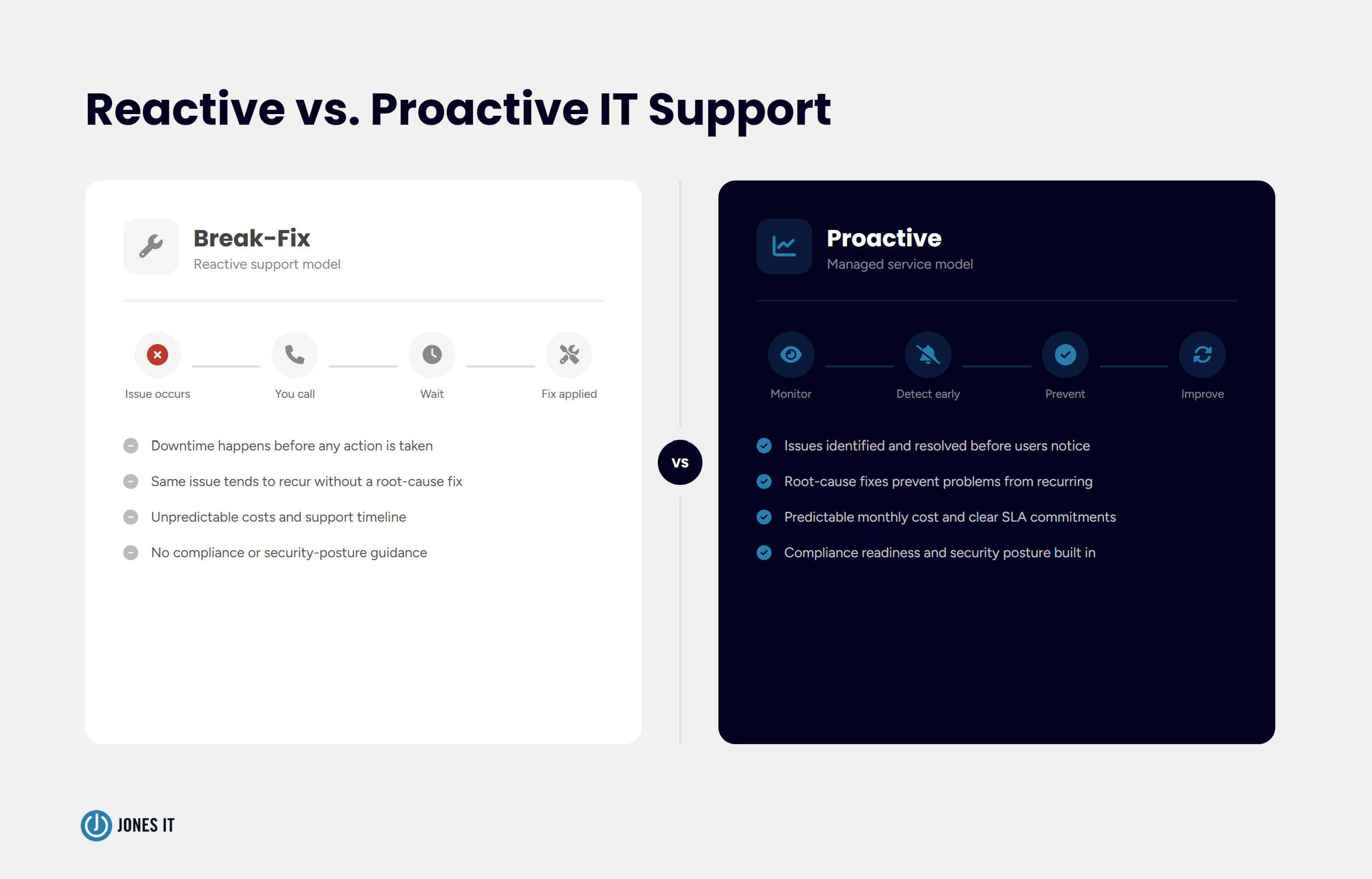
The reactive or break-fix model of technology support has its place. Every piece of equipment or software breaks down eventually, and businesses rely so heavily on technology that there will always be something that needs fixing. Reactive support will always be part of any IT service provider's toolkit.
But reactive support alone is not enough. The goal of a good IT service provider is to stop preventable issues from recurring. When you bring a problem to them, they should solve it and suggest how to prevent it from happening again. That shift from fixing to preventing is what separates a capable IT partner from a very expensive fire brigade.
When you are evaluating providers, the questions to ask an IT service provider about their monitoring approach are straightforward: How do they identify issues before users notice them? What is their process for patch management and software updates? The answers will tell you quickly whether they think of themselves as a reactive support desk or a strategic technology partner.
A good IT service provider can also go beyond infrastructure. They can help with policy-driven initiatives like educating your employees on cybersecurity, application governance, and compliance readiness. Those contributions often deliver more long-term value than any amount of help desk tickets resolved.
If you want a full breakdown of what IT support covers day to day, our overview of IT support services is a good starting point before you begin evaluating providers.
5. Check If Security Is Their Priority
Managed IT service providers have become attractive targets for cybercriminals precisely because compromising one provider can give an attacker access to dozens or hundreds of client environments. The last thing you want is a data breach that came through the very company that was supposed to protect you. CISA's small business cybersecurity resources make this risk explicit: the supply chain is an attack surface, and your IT provider is part of your supply chain.
When evaluating a provider's security posture, ask about their internal security practices, not just what they do for clients. How do they manage their own access controls? What is their vendor management process? How do they handle incident response for their own systems?
One concrete filter: look for providers who hold recognized compliance certifications. A provider with a SOC 2 Type II certification has had their security controls independently audited and verified. That is a meaningful signal. Providers who hold certifications like SOC 2, ISO 27001, or who have demonstrated experience with HIPAA have done the work of building and maintaining security programs, and they will be far better positioned to help you with yours.
At Jones IT, we hold SOC 2 Type II certification and have deep experience helping clients achieve SOC 2, HIPAA, and ISO 27001 compliance. We mention this not to sell you on us, but because it illustrates a real distinction in the market. Many providers will tell you security is a priority. A certification is evidence that it actually is.
6. Review Their Service Level Agreement
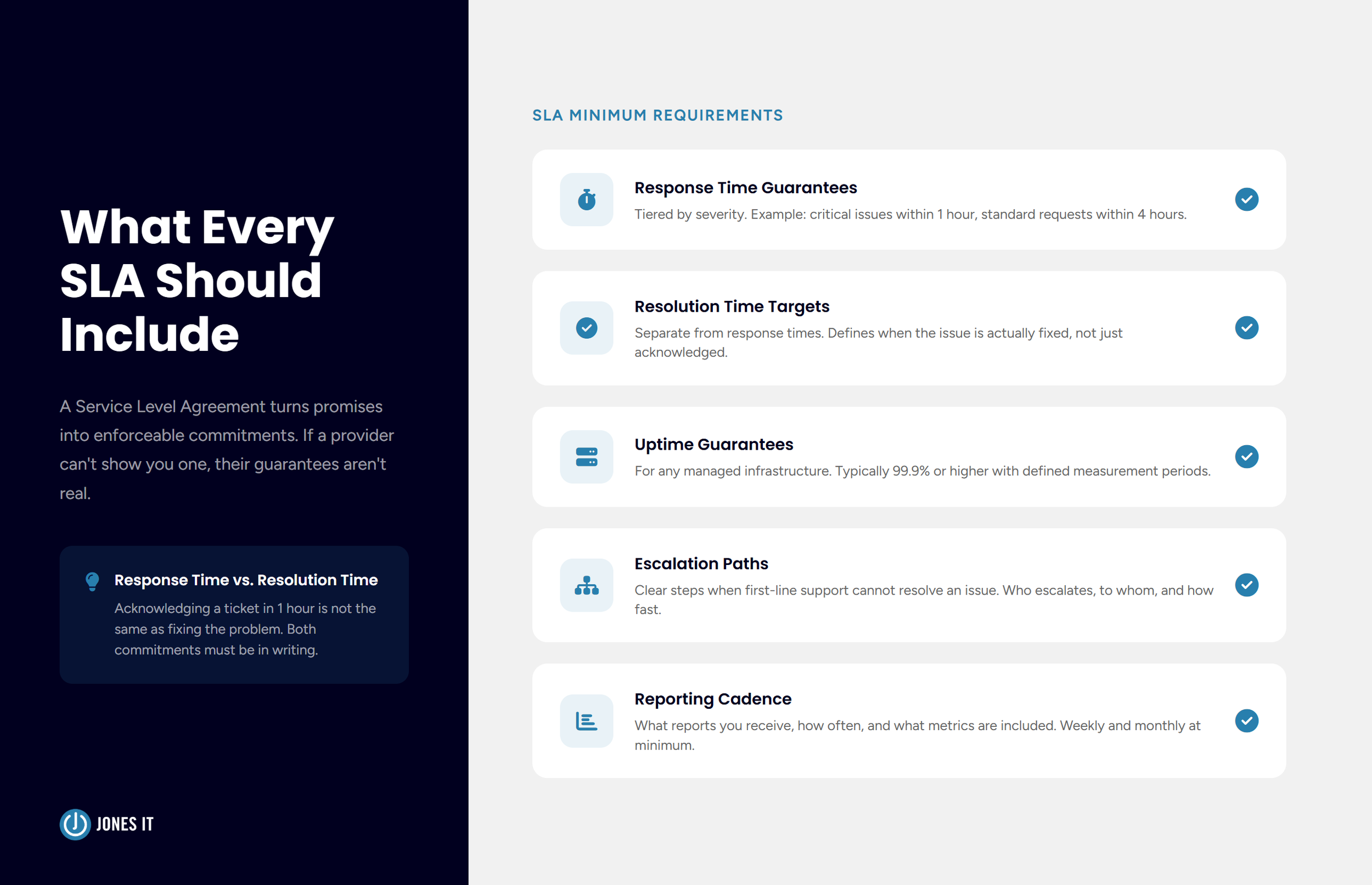
A Service Level Agreement (SLA) is the document that translates a provider's promises into enforceable commitments. If a provider cannot show you a clear SLA, or is vague about what one would look like, that is a serious warning sign.
An SLA should specify, at minimum:
Response time guarantees for different issue severities (for example: critical issues within one hour, standard requests within four hours).
Resolution time targets, separate from response times.
Uptime guarantees for any managed infrastructure.
Escalation paths when a first-line technician cannot resolve an issue.
Reporting cadence, including what you will receive and how often.
Pay attention to the difference between response time and resolution time. A provider who guarantees they will acknowledge your ticket within one hour is not guaranteeing they will fix your problem within one hour. Both commitments matter, and both should be in writing.
Also ask about what happens when the SLA is not met. A provider who is confident in their service should be willing to include meaningful remedies for missed commitments, whether that is a service credit, a root-cause analysis, or both. Providers who resist this conversation tend to miss SLAs more often than they want you to know.
7. Look For Simple And Flexible Plans
Budget is always a factor when evaluating IT service providers, but cost alone should not drive the decision. A provider whose pricing looks attractive on the surface can become very expensive once you factor in hidden fees, out-of-scope charges, and the cost of downtime caused by inadequate service.
Look for providers who offer transparent, straightforward pricing. Complicated subscription structures leave plenty of room for hidden costs. Flat-fee or usage-based models with clearly defined scope tend to be more predictable. If a provider cannot give you a simple answer to the question of what is included and what is not, that is a red flag.
Flexibility matters too, especially for startups and high-growth companies. Your IT support needs will change as you scale. The right provider should be able to adjust with you without requiring lengthy contract renegotiations or penalty clauses. Before you sign anything, get clear answers to these questions:
What happens to our plan if we double in headcount over the next year?
Can we scale services up or down without penalties?
What is explicitly in scope, and what would trigger additional charges?
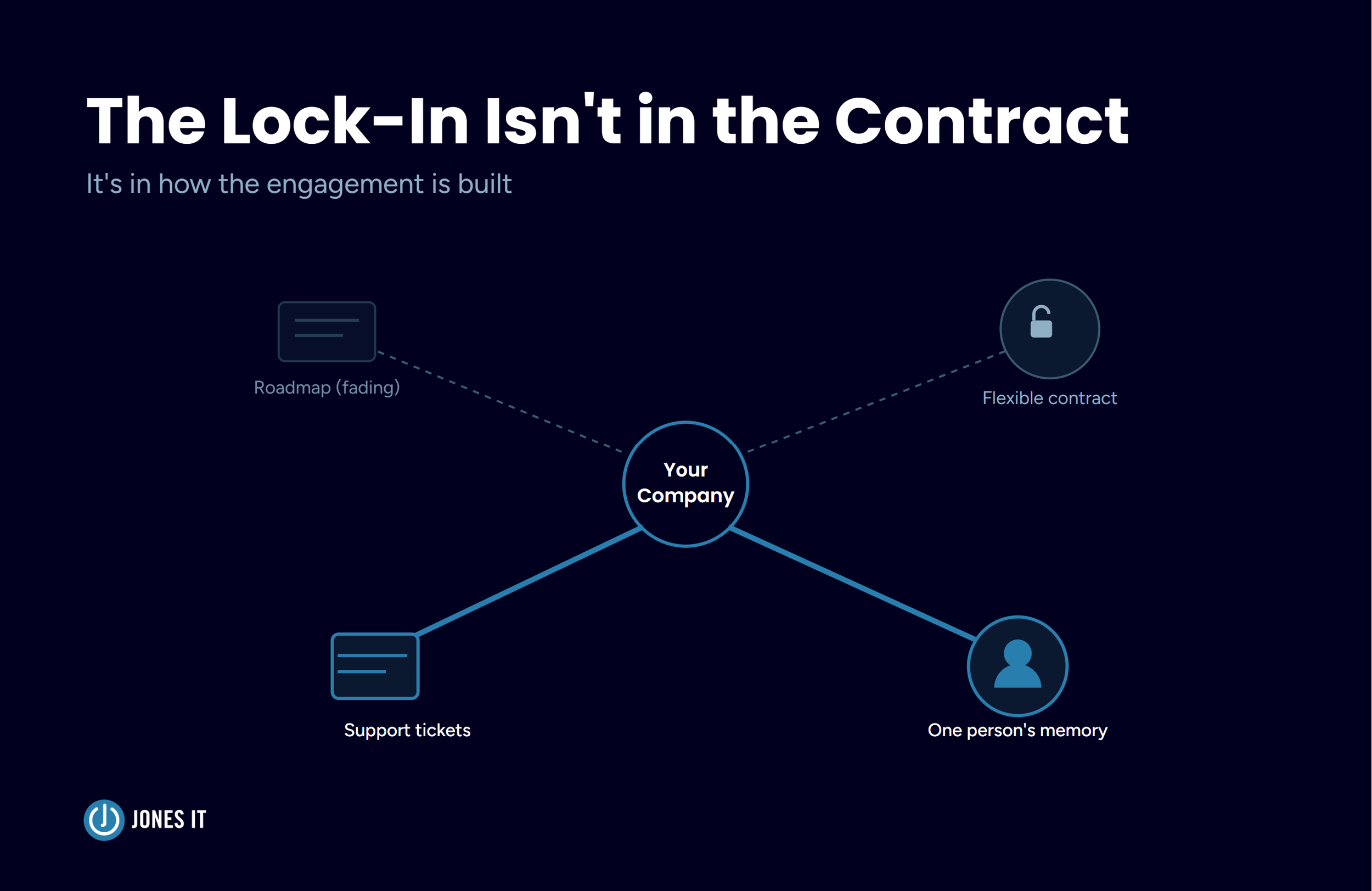
Month-to-month arrangements are preferable to long-term contracts if you are early in the relationship. A provider who is confident in their service will not need to lock you in for two years to feel secure.
8. Make Sure They Are A Culture Fit
If you are going to work closely with a service provider on a day-to-day basis, the relationship matters. A technical mismatch is painful. A cultural mismatch is worse, because it generates friction on every interaction, not just the complicated ones.
Company culture and communication style need to be compatible with yours. A provider who is formal and process-heavy can feel suffocating to a fast-moving startup. A provider who is casual and reactive can feel unreliable to a compliance-driven organization. Neither is wrong in the abstract, but fit is everything in practice.
Pay attention to how a provider makes you feel during the evaluation process itself. Are they helpful and specific when you ask questions, or do they give you polished non-answers? Are they transparent about costs and limitations, or do they pivot to features whenever you get into specifics? Are they asking good questions about your business, or just pitching their service catalog?
That first impression tends to be accurate. The way a provider shows up during the sales process is usually the way they show up when something goes wrong at 9pm on a Thursday.
9. Watch For These Red Flags
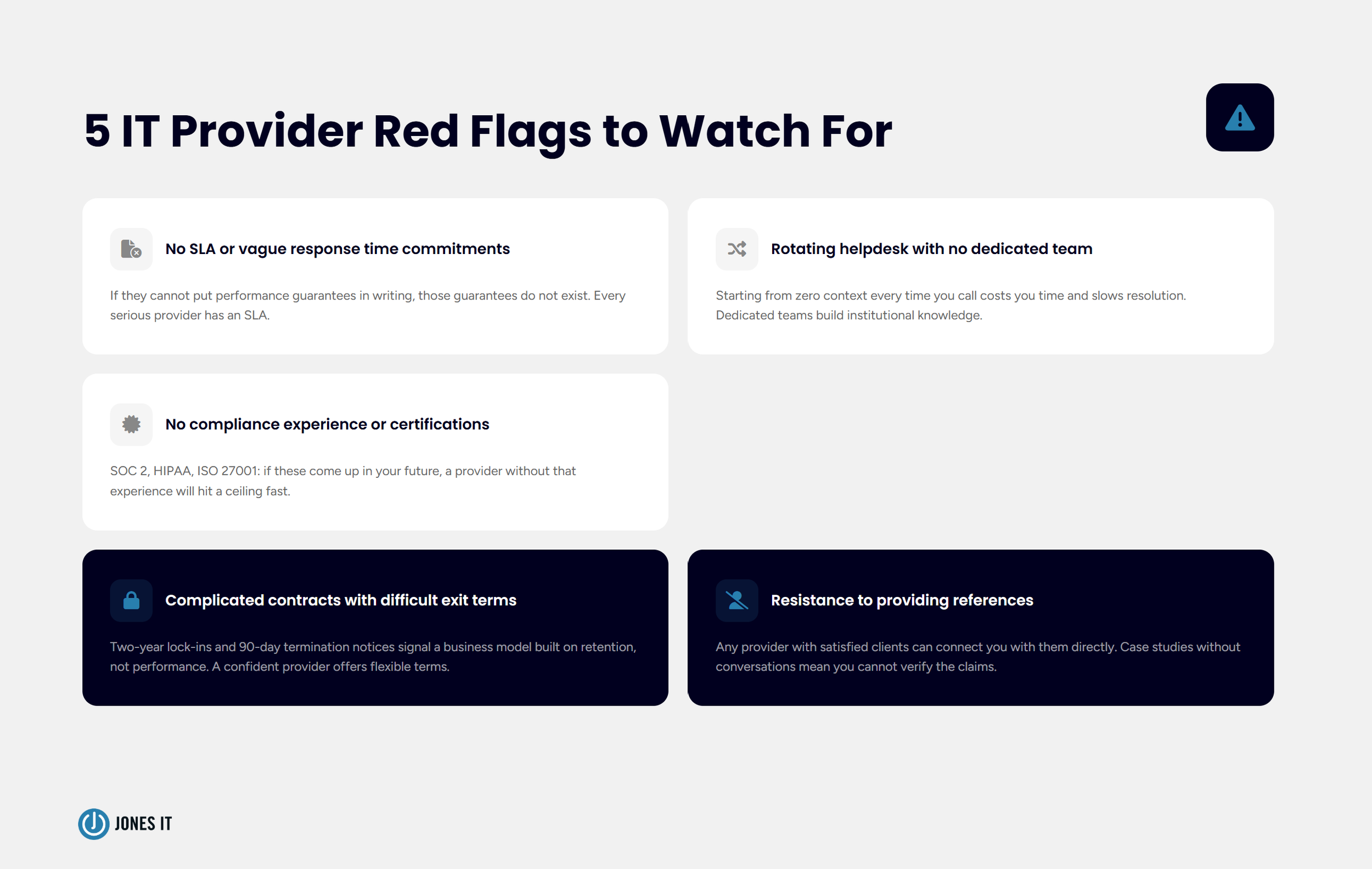
After going through the criteria above, you will have a clearer picture of what a good IT service provider looks like. Here are some warning signs that should give you pause regardless of how well a provider performs on everything else.
No clear SLA or vague response time commitments
If a provider cannot put their performance commitments in writing, those commitments are not real. Every serious IT service provider has an SLA. If they are reluctant to show you one or hedge when you ask about response times, walk away.
A rotating helpdesk with no dedicated team
A helpdesk model where you speak to a different technician every time means starting from zero in context with every ticket. Look for providers who assign dedicated teams to their clients. It makes a real difference in how quickly issues get resolved and how well the provider understands your environment.
No compliance experience or certifications
If your business is in a regulated industry or has any likelihood of needing SOC 2, HIPAA, or ISO 27001 compliance down the line, a provider without that experience will hit a ceiling fast. Ask specifically about their compliance track record, not just their general security posture.
Complicated contracts with difficult exit terms
A provider who needs a two-year contract and a 90-day termination notice to feel comfortable has built a business model around lock-in rather than performance. Contracts should protect both parties, not make it painful to leave when a provider falls short.
Resistance to references
Any provider with a track record of satisfied clients should be able to connect you with a few of them. If a provider hedges on references or only offers case studies rather than direct conversations, ask yourself why.
Choosing An IT Service Provider: A Decision Worth Getting Right
The IT service provider you choose will have more visibility into your business than almost any other vendor you work with. They will know your infrastructure, your team's workflows, your compliance gaps, and your growth plans. That relationship is worth spending time on before you sign anything.
The nine factors above are not a checklist to race through. They are a framework for having honest, informed conversations with providers before you commit. The right provider will welcome those conversations. A provider who gets defensive or evasive when you ask detailed questions is telling you something important.
Once you have identified the right provider and are ready to formalize the evaluation, our Guide to IT Services Vendor Evaluation and Selection walks through the process step by step and includes a customizable template to score and compare your options. And if you are already working with a provider who is not meeting your needs, our guide on how to switch to a new managed IT services provider covers how to make that transition without disrupting your operations.
We have spent more than 20 years helping Bay Area startups, fintech companies, SaaS businesses, and biotech organizations build IT environments that can keep up with their growth. If you want to talk through what the right IT partnership might look like for your business, we are happy to have that conversation.
Ready to find an IT partner built for your business? Reach out to Jones IT to learn how we can help.
If you liked the blog, please share it with your friends



Mac vs. PC for startups isn't a company-wide choice; it’s a per-role one. Use this framework to match hardware to software needs and efficiently manage a mixed fleet.