
Updated: June 15, 2026
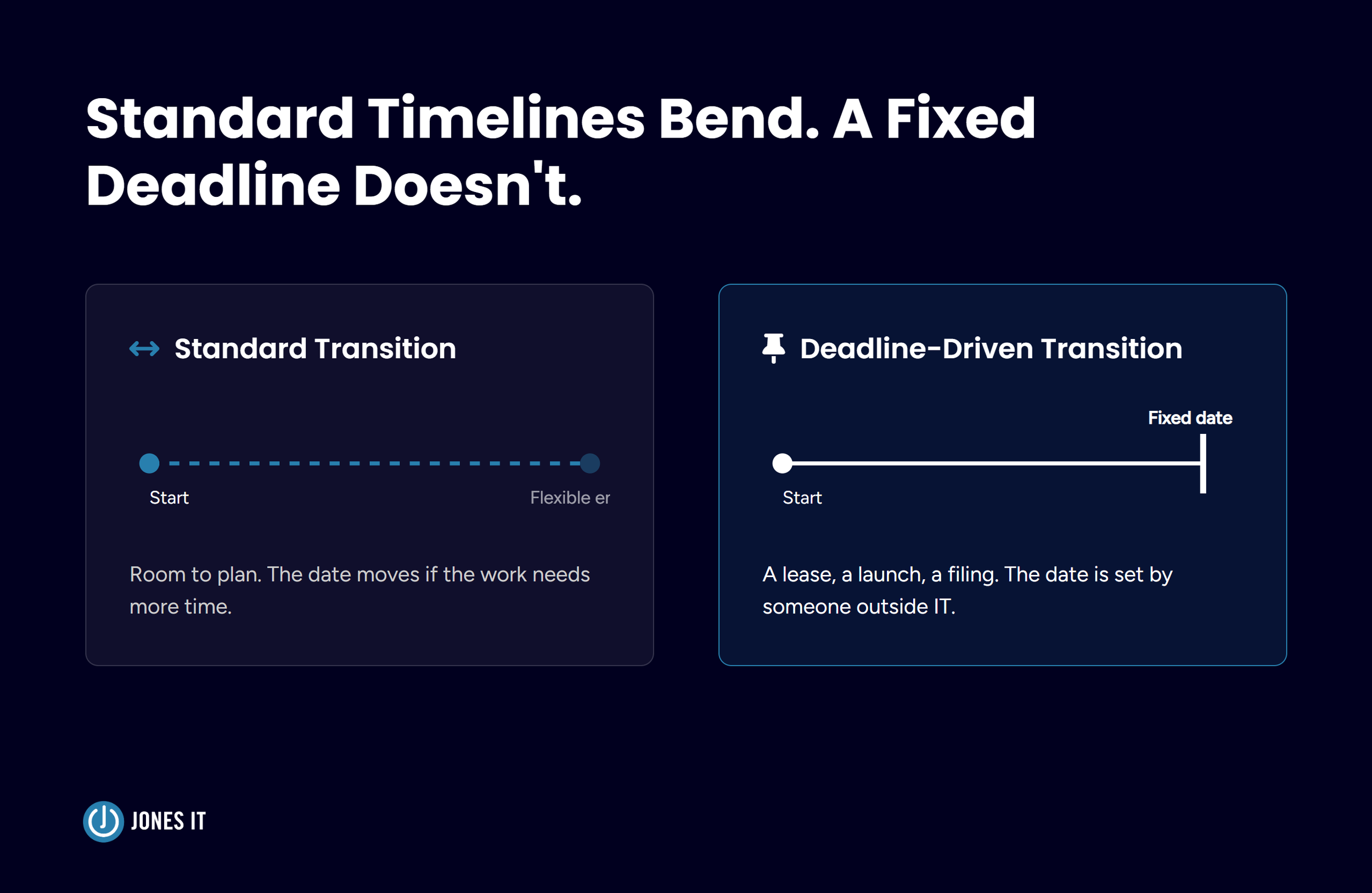
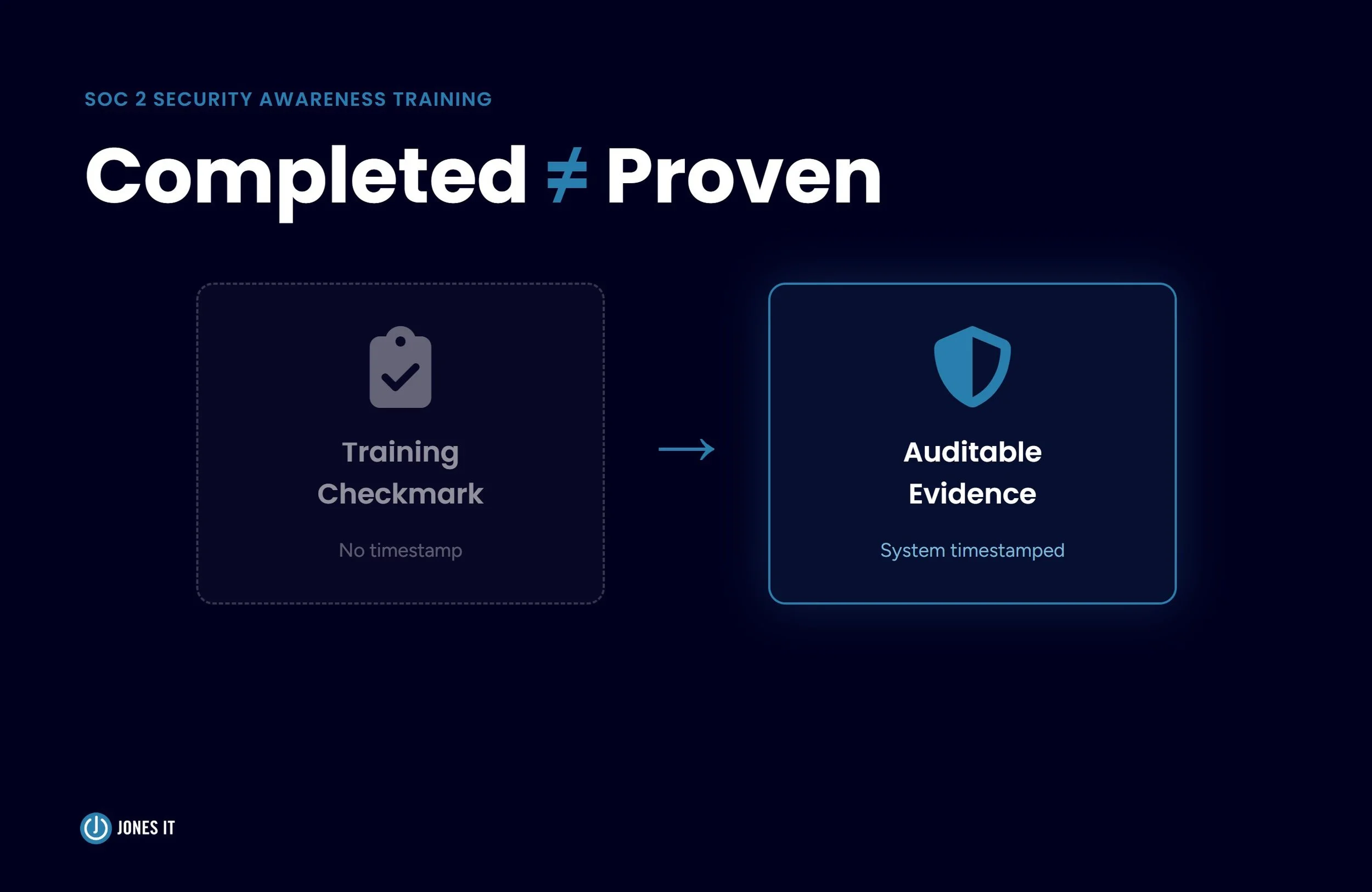
A few years back, a SaaS founder I’d been talking to called me on a Friday afternoon, slightly panicked. His company, a Series A startup down in Mid-Market, had just been handed a term sheet from their first real enterprise customer. The kind of logo that changes a sales deck. The contract had one condition: a completed SOC 2 Type II report before the deal could close, and the customer wanted it inside the quarter. He had eleven engineers, no internal IT, no security policies written down anywhere, and a deal worth more than his entire prior year of revenue sitting on the other side of a compliance wall he’d never thought about until that morning.
That call is the SaaS IT story in short. You spend years building a product nobody can ignore, you finally start landing the customers you’ve been chasing, and then the thing standing between you and the next stage of growth turns out to have nothing to do with your product at all. It’s your IT. It’s your security posture. It’s a stack of operational questions you deprioritized for good reasons, right up until the moment they became the only thing that mattered.
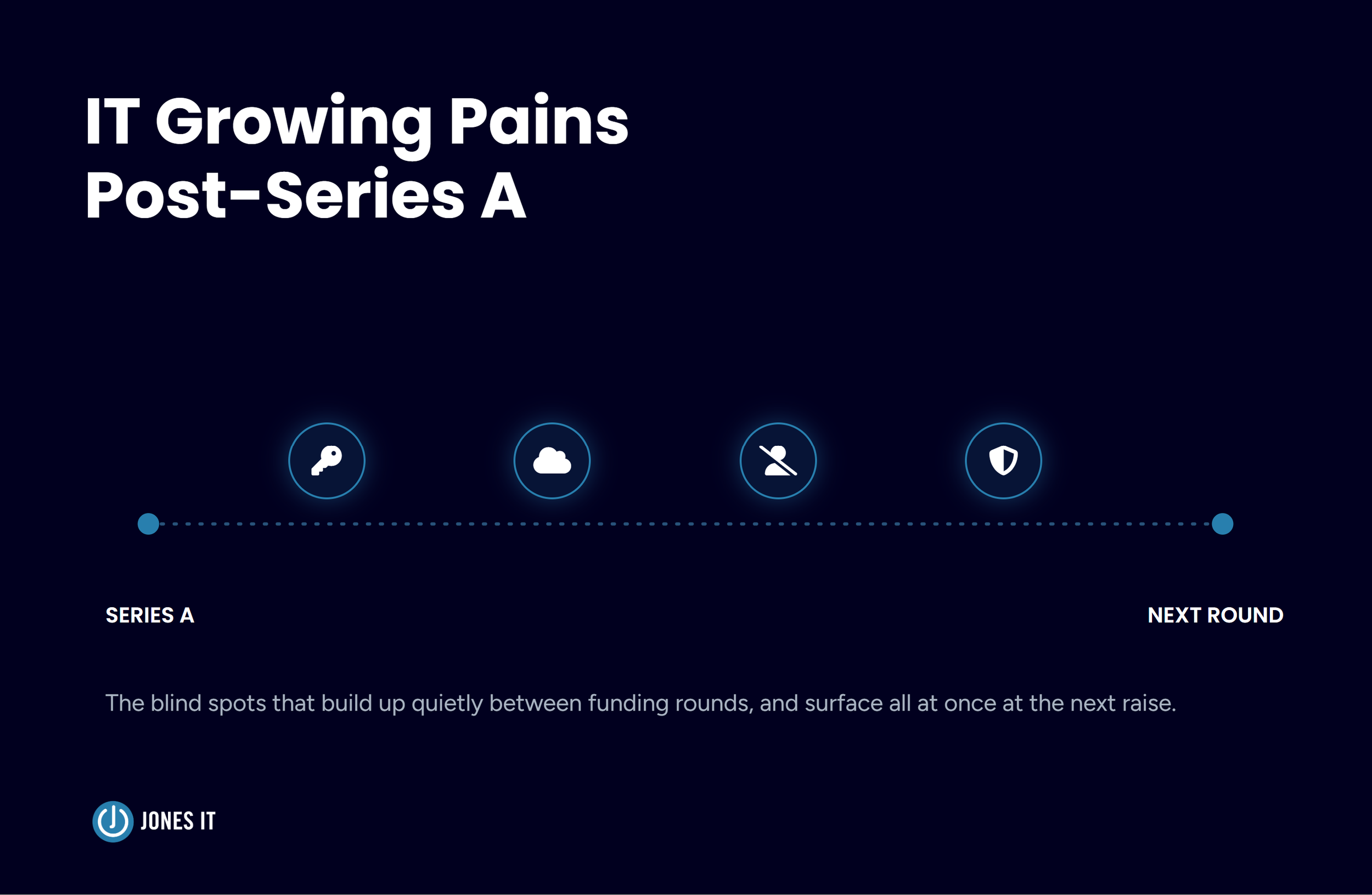
This is the part of running a SaaS company that nobody warns you about. The market is brutal, switching costs for your customers are close to zero, and so you pour everything into the product and the go-to-market motion, because that’s what keeps you alive. IT and security feel like things you’ll get to later. Then “later” arrives as an enterprise deal, a failed vendor security review, a cloud bill that doubled without explanation, or a breach disclosure email you have to send to your entire customer base.
A good Managed IT Services Provider exists to keep that part of the business from blindsiding you. Below are the six places we most often see SaaS companies get caught, and what changes when someone is actually holding down the IT front while you build.
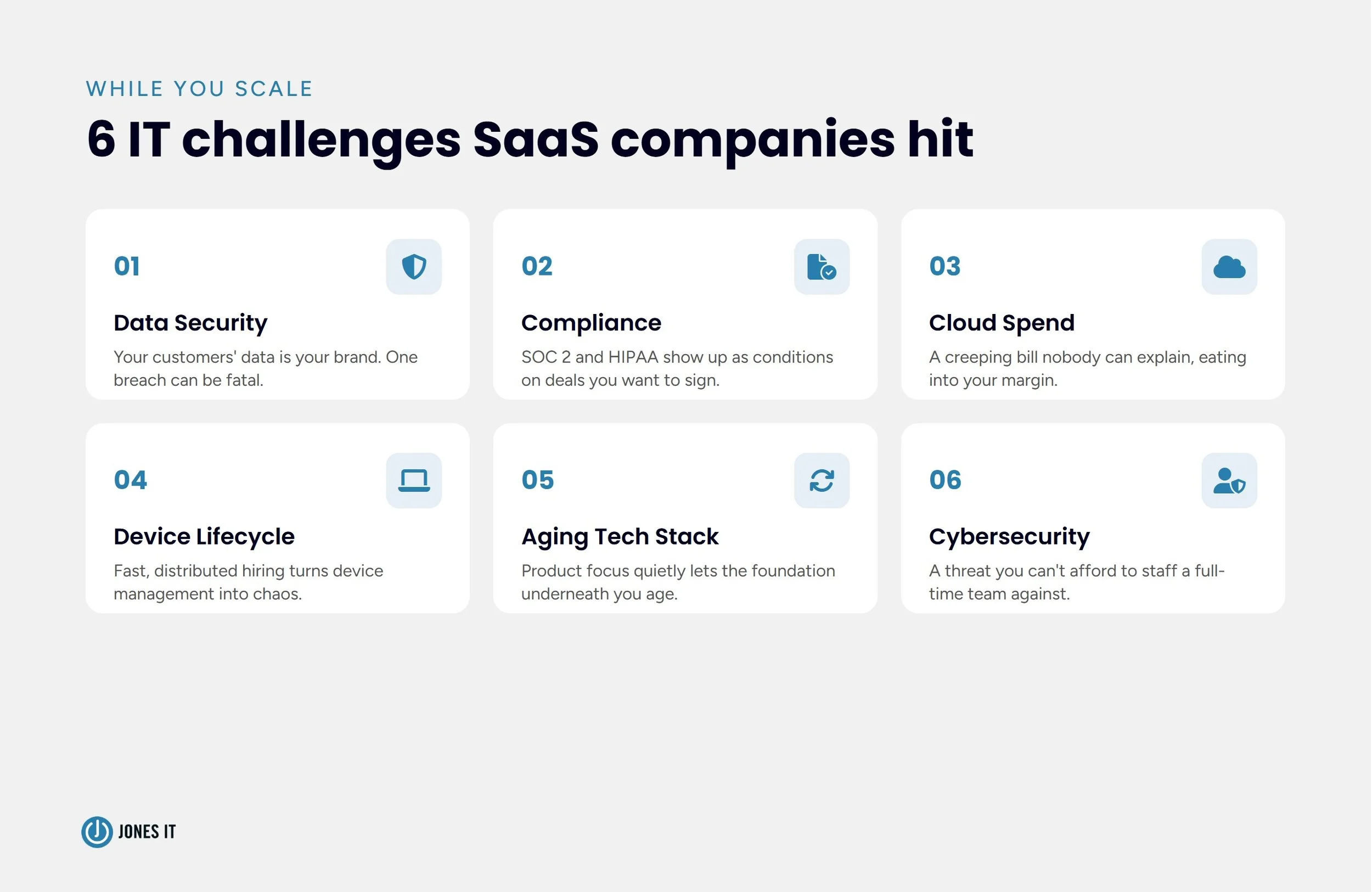
1. Data Security Is Your Product’s Reputation
For a SaaS company, data security isn’t an IT concern sitting off to the side. It’s the same thing as your brand. Your customers are handing you their data on the implicit promise that you’ll protect it better than they could themselves, and the entire relationship runs on that promise holding.
Even a bare-bones SaaS app stores names, email addresses, and payment details, and most store a whole lot more. When that data gets exposed, the damage doesn’t stay tucked inside a security incident report. LastPass learned this the hard way: a breach that started with a single compromised developer endpoint snowballed into months of headlines and a permanent dent in how the market talks about the company. For an early-stage SaaS business without that kind of brand equity to soak up the hit, the same event can be fatal.
Here’s what handling SaaS data security properly involves:
Encryption and data privacy controls so customer data can’t be read if it’s intercepted or stolen.
Strong authentication like multi-factor authentication, paired with access controls tight enough that any given person can only reach the data their job requires.
Real cloud security configuration, since most of what you’re protecting lives in someone else’s data center.
Ongoing vulnerability identification and remediation across your infrastructure, before someone outside finds the gap first.
Security awareness training, because the most sophisticated stack in the world still loses to one employee clicking a phishing email.
You can run all of this in-house, and plenty of companies do. The real question is whether your engineers should be pouring their hours into security tooling and risk assessments instead of on the product that’s the reason customers pay you. For most SaaS teams at the stage we work with, that’s the wrong trade, and handing it to an experienced MSP buys back the most expensive hours in the company.
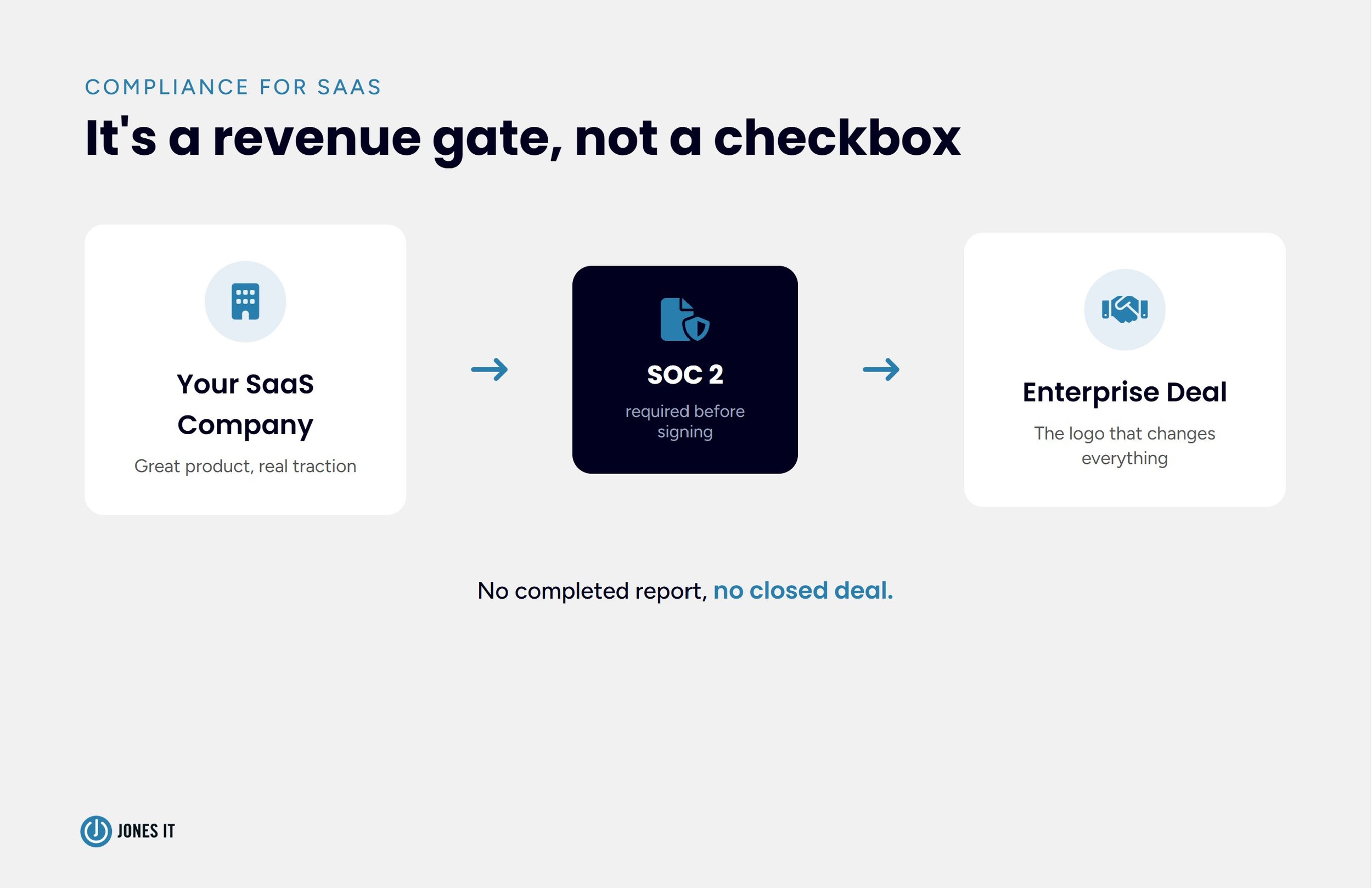
2. Compliance Is A Revenue Gate, Not A Checkbox
Go back to that founder with the SOC 2 deadline. What makes his story so common is that compliance, for a SaaS company, almost never shows up as a tidy internal initiative you plan a year out. It shows up as a condition on a contract you want to sign. The enterprise buyer’s security team sends over a questionnaire, and suddenly your ability to close revenue depends on whether you can answer it.
As more organizations started collecting and processing sensitive customer data, regulators and large buyers alike got serious about privacy and control. That’s where frameworks like HIPAA and SOC 2 come from. For your customers and regulators, compliance is reassurance. For you, it’s a time-consuming, resource-hungry project that pulls people off the roadmap right when you can least afford it. That’s exactly why most SaaS companies hand part or all of it to someone who has run the gauntlet before.
Here’s where an MSP earns its keep on compliance:
Security and compliance specialists do the research and prioritization to map out exactly how you meet the requirements of each regulation or standard, instead of you reverse-engineering it from a PDF at midnight.
They run a security risk assessment to identify and evaluate the risks your business faces, so the controls you put in place are the right ones.
They steer your investment toward technologies that satisfy auditors and serve your growth goals at the same time, rather than one-off purchases you abandon after the report ships.
They design and implement the controls themselves, from policy documents to endpoint security, Mobile Device Management, and Identity and Access Management.
They stand up a rhythm of internal audits and remediation, so your posture holds as the technology and the threat landscape shift under you.
The first SOC 2 is the hard one. With the right partner, it stops being a fire drill and becomes a repeatable part of how you sell to bigger customers.
3. The Cloud Bill Nobody Can Explain
Ask a SaaS founder where their IT budget goes and a big slice of the answer is the cloud, which means a big slice of your margin rides on how well you predict and manage cloud costs. And almost every SaaS team we talk to carries the same low-grade dread about it: a creeping sense that they’re overspending, that money is leaking into services nobody’s touched in months, and that the bill lands each month as a surprise rather than a number they chose.
The cloud providers will happily hand you tools to optimize your spend. In practice those tools only get you so far, because cloud optimization is a real specialization with its own models, pricing levers, and hard-won rules of thumb. It rewards people who do it every day across many environments, which is precisely what most early SaaS teams don’t have in-house.
We watched a Dogpatch fintech client live through the textbook version of this. They’d spun up staging environments for a big launch, the launch came and went, and the environments just kept humming along in the background for months, quietly billing. Nobody owned the cleanup, so nobody did it. By the time the bill caught someone’s eye, they’d been paying every month for compute that hadn’t served a single user since the spring. It wasn’t a dramatic story, and that’s exactly the point. Cloud waste rarely announces itself. It piles up in the corners while everyone’s heads-down on the roadmap, and you only catch it when the number gets big enough to make you wince.
An MSP fluent in cloud optimization helps you choose the right service and pricing options, match capacity to actual demand, hunt down resource waste, and keep an eye on costs continuously rather than once a quarter when the bill scares someone. You stop over-provisioning out of fear, and the monthly number stops being a mystery. For a business where cloud spend directly eats into the margin investors are watching, that’s not a small thing.
4. Device Lifecycle Management For Teams That Won’t Sit Still
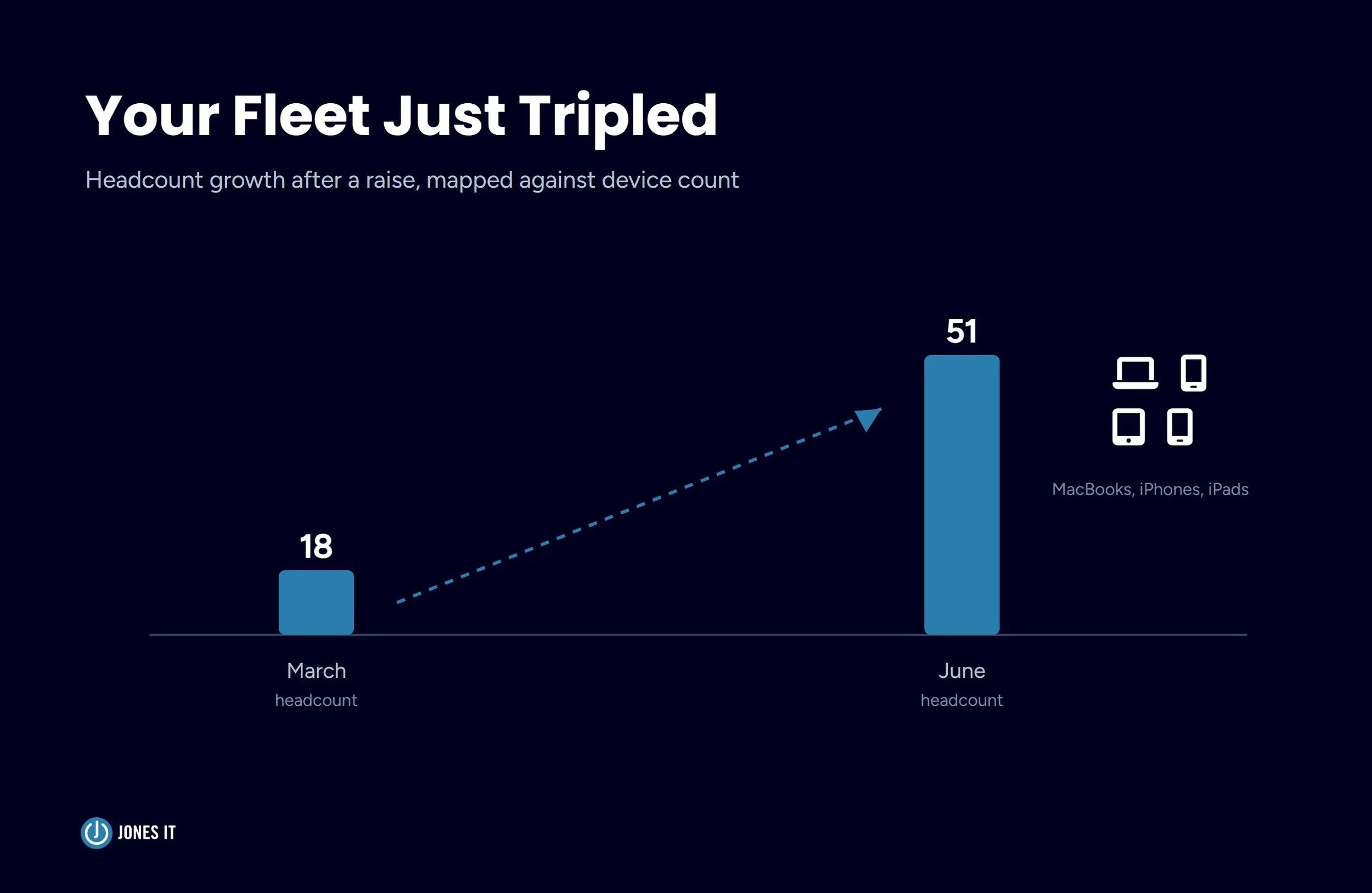
Managing the laptops, desktops, tablets, and phones your team runs on sounds like a solved problem, right up until your company is hiring three people a week and half of them are scattered across other time zones. Device lifecycle management pulls in IT, HR, Procurement, Accounting, and Administration all at once, and then piles on the messy physical headaches of shipping, warehousing, and logistics. SaaS teams feel this acutely because they tend to scale headcount fast and distribute it widely.
Devices that are managed badly aren’t just a budget leak. They open security holes, create compliance gaps, and quietly drag on performance. A new hire waiting a week for a properly configured laptop is lost productivity you paid full salary for. A departed employee whose device never got wiped is a breach waiting to be written up. Get DLM right and you flip all of that: the fleet becomes something you can see, control, and plan around.
When an MSP runs DLM end to end for a SaaS company, here’s what you get back:
Visibility and control over every device, which feeds straight into better performance, longer hardware life, and budgeting you can trust.
Higher return on the money you’ve sunk into hardware, because devices are tracked and used instead of disappearing into desk drawers.
Stronger security from consistent configuration and settings on everything you deploy, with none of the one-off exceptions that become tomorrow’s incident.
A far smoother path through security and compliance audits, since the evidence auditors ask for already exists.
5. Keeping Up With Technology Without Falling Behind The Product
Early-stage SaaS companies pour everything into the product, and they’re right to. The unintended consequence is that the IT infrastructure underneath gets neglected, and a couple of years in you’re running on a stack that creaks every time you try to bolt something new onto it. The very focus that makes the product good is what lets the foundation quietly age.
Staying current costs money, and there’s no pretending otherwise. But for a company whose entire value proposition is technology, falling behind on the technology you run is its own kind of risk, and it’s sharper for startups who have to outrun incumbents with far deeper pockets. The trick isn’t to chase every new tool. It’s to spend on the upgrades that matter and skip the ones that don’t.
That judgment is exactly what an experienced MSP brings. We help SaaS companies make deliberate calls about where new technology is worth the spend and where it isn’t, so you stay competitive without lighting money on fire. A big part of that is helping you manage technical debt in your infrastructure: identifying the critical refreshes worth doing now and consciously deferring the ones that can wait.
6. Cybersecurity You Can’t Afford To Staff Alone
No company is too small to be a target. We watched that play out across 2022, when some of the largest organizations on the planet got breached and had sensitive data spill into the open. If they can be hit with full security teams on payroll, the math for a growing SaaS company without one is not comforting.
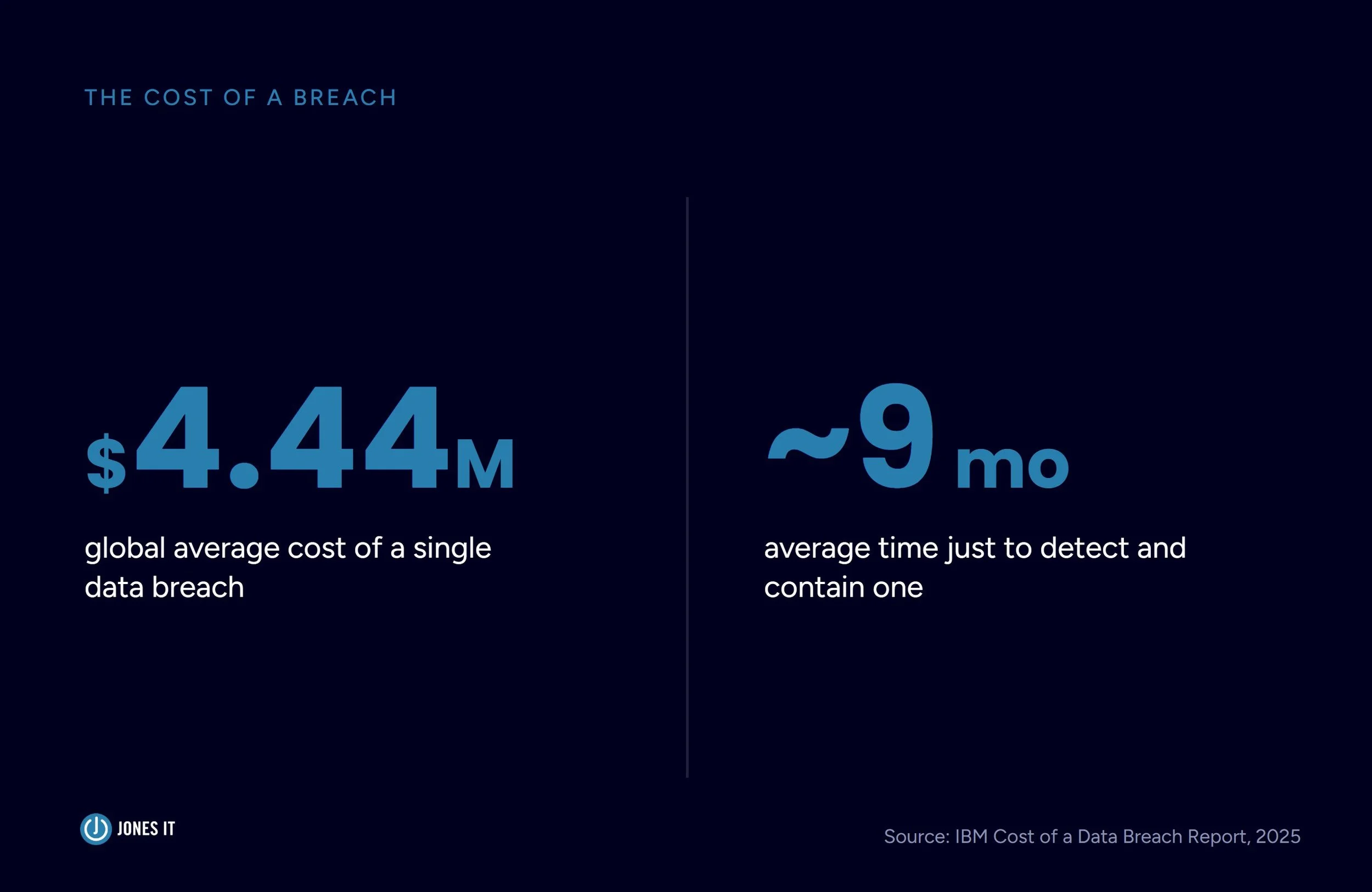
The numbers make the stakes concrete. In IBM’s Cost of a Data Breach Report for 2025, organizations took roughly nine months on average just to detect and contain a breach, and the global average cost landed at USD 4.44 million. For a small, fast-growing SaaS company, a hit like that isn’t a line item you absorb. It’s an extinction-level event. And SaaS businesses are squarely in the crosshairs precisely because they hold the personal and financial data attackers want.
So investing in security stopped being optional a long time ago. Here’s the opinion twenty years in this business has hammered into me: most companies treat their first serious security investment as something to get to once they’re bigger, and they’re reliably about a year late when they do. The breach doesn’t wait for you to feel ready. The hard part is that the threat keeps mutating: attackers invent new techniques faster than most teams can track them, and staying current means maintaining specialists who live and breathe the threat landscape. Very few SaaS companies at the growth stage can justify a full-time security team on headcount.
This is the gap an MSP is built to close. You get the same caliber of security expertise a dedicated team would provide, at a fraction of what it would cost to hire one. We help you improve your security posture and keep your defenses current, so your systems stay protected against known threats and you have a fighting chance against the new ones.
Where This Leaves You
Think back to the founder on that Friday afternoon. His product was excellent. His traction was real. None of that was the problem. The thing nearly costing him the biggest deal of his life was a set of IT and security questions he’d had every reason to put off, until he didn’t. We helped him get the report done and the deal closed, and more usefully, we made sure the next enterprise contract wouldn’t trigger the same scramble.
That’s the real argument for a Managed IT Services Provider when you’re scaling a SaaS company. The day-to-day gets handled, sure. But the bigger value is that the operational questions you keep deferring stop ambushing you at the worst possible moments. Data security, compliance, cloud spend, your device fleet, the aging stack, the threats you can’t staff against on your own, all of it has someone watching it while you do the work only you can do.
If you want to dig deeper into how managed IT works, when to bring a provider in, and how to pick the right one, these are worth your time:
What Is IT Support and How Can Your Business Benefit From It
Comprehensive Guide to Managed IT Services Pricing, Plans, And ROI
How To Choose The Right IT Service Provider For Your Business
If the IT side of scaling is starting to pull focus from your product, let’s talk. Get better IT support and put the operational worries somewhere you don’t have to think about them.

About The Author

Evan JonesFounder and CEO of Jones IT
With over two decades of IT experience in San Francisco, Evan guides Jones IT's long-term strategy, finances, and culture, with a vision of building the city's highest-rated IT services firm. Outside of work, you'll find him on the golf course or running Bay Area Warriors, his non-profit connecting Bay Area kids to college through basketball.
Learn how to establish an AI tool approval process for startups with this 5-step workflow, vendor review checklist, and data loss prevention controls.